Embroidery
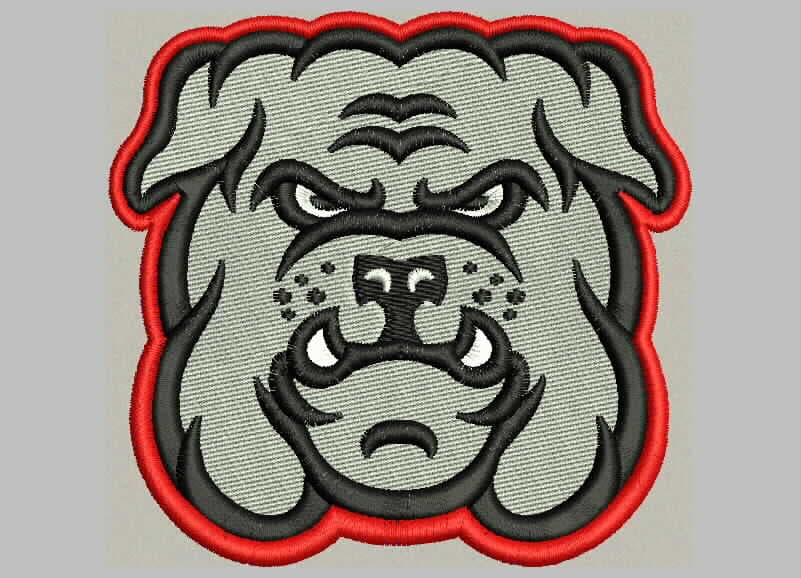
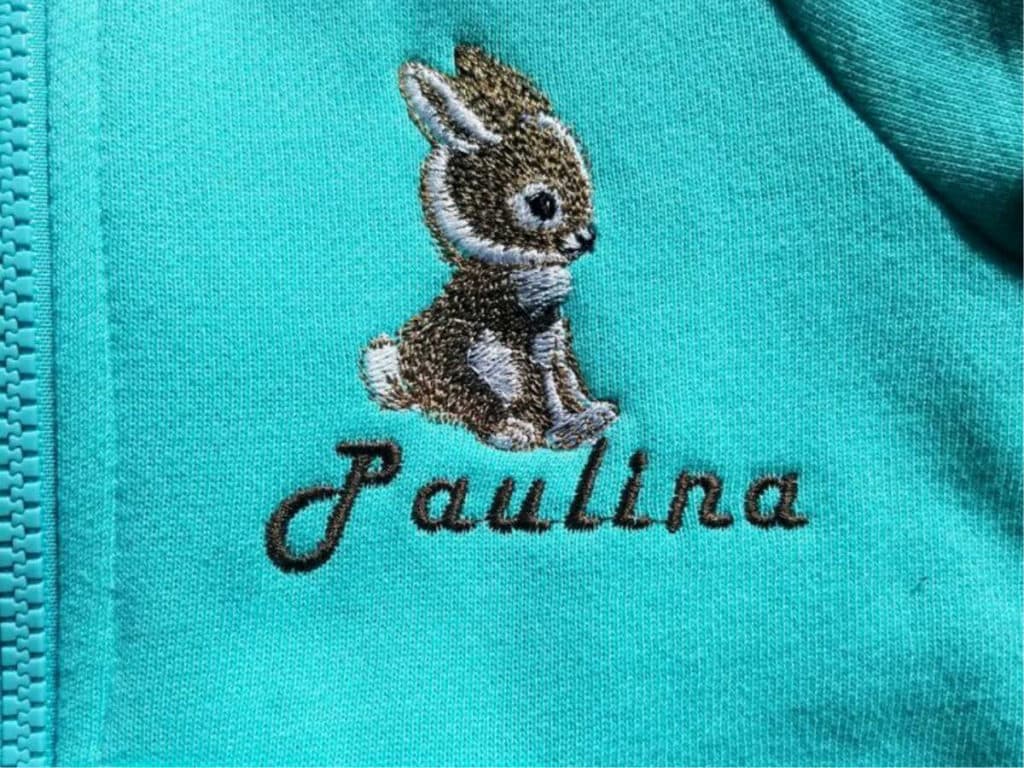
Embroidery is the craft of decorating fabric or other materials using a needle to apply thread.
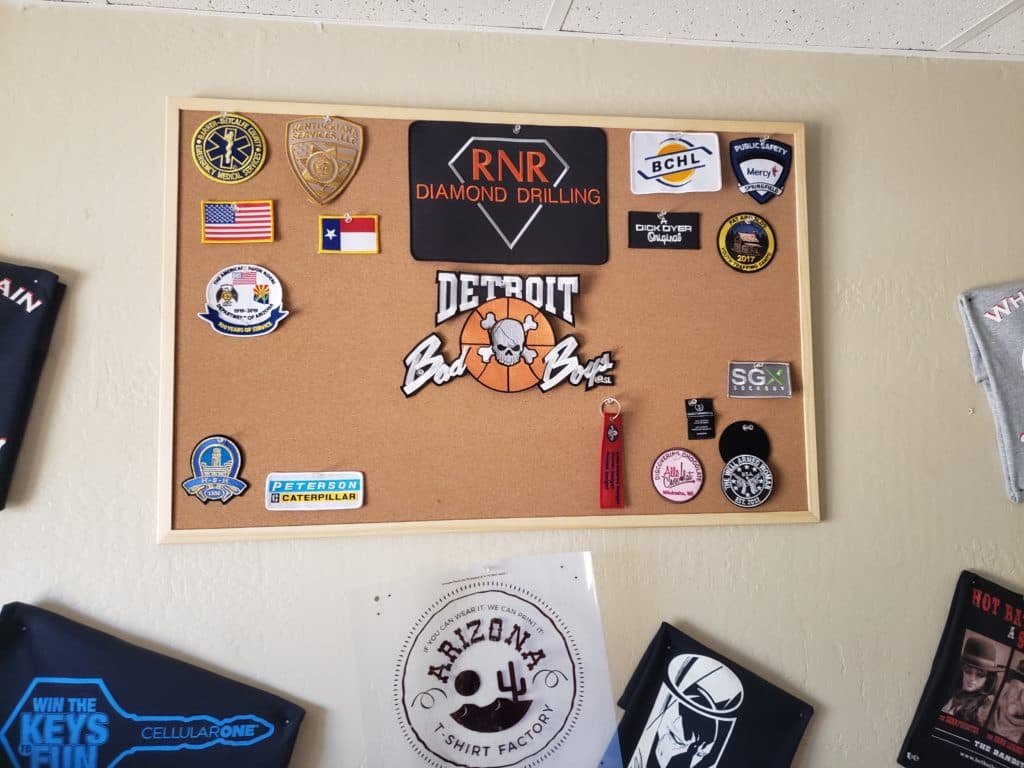
There are many methods to put a logo onto a piece of apparel. Companies and organizations who wish to display their brand can choose from a wide array of ways to decorate a shirt, caps, bags, etc. You want to make sure you are choosing the right method for your company.
Embroidery remains one of the top methods of logo apparel decoration for a number of reasons. Today we will explore some of those reasons.
Why Choose Embroidery?
Embroidery is diverse
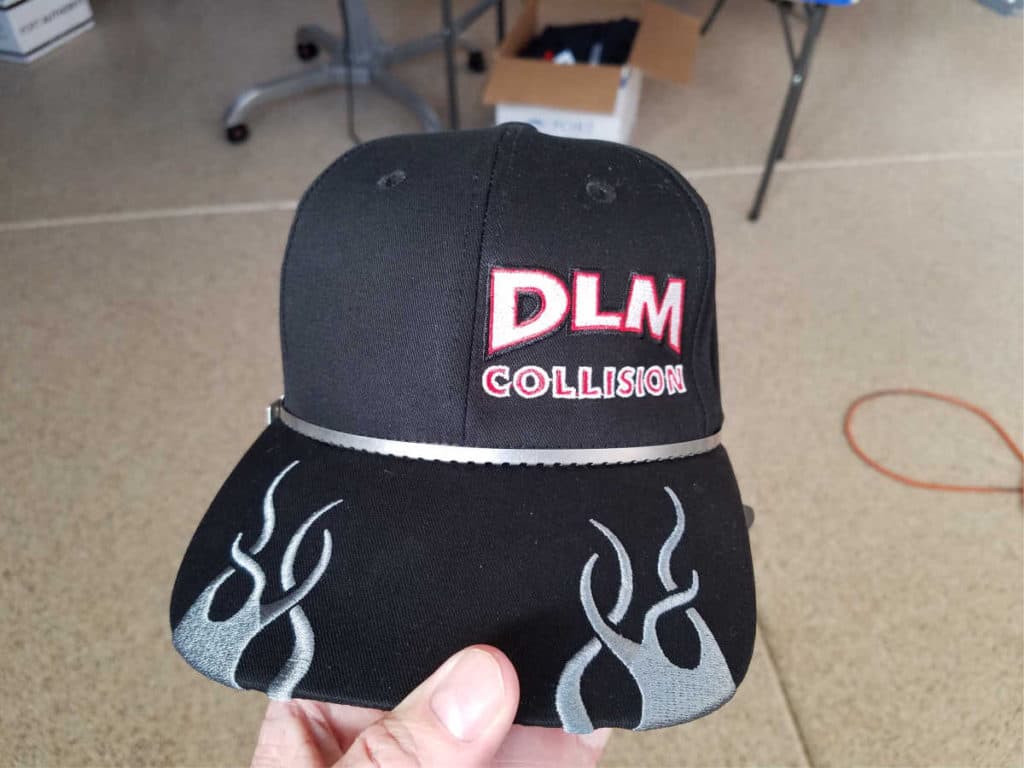
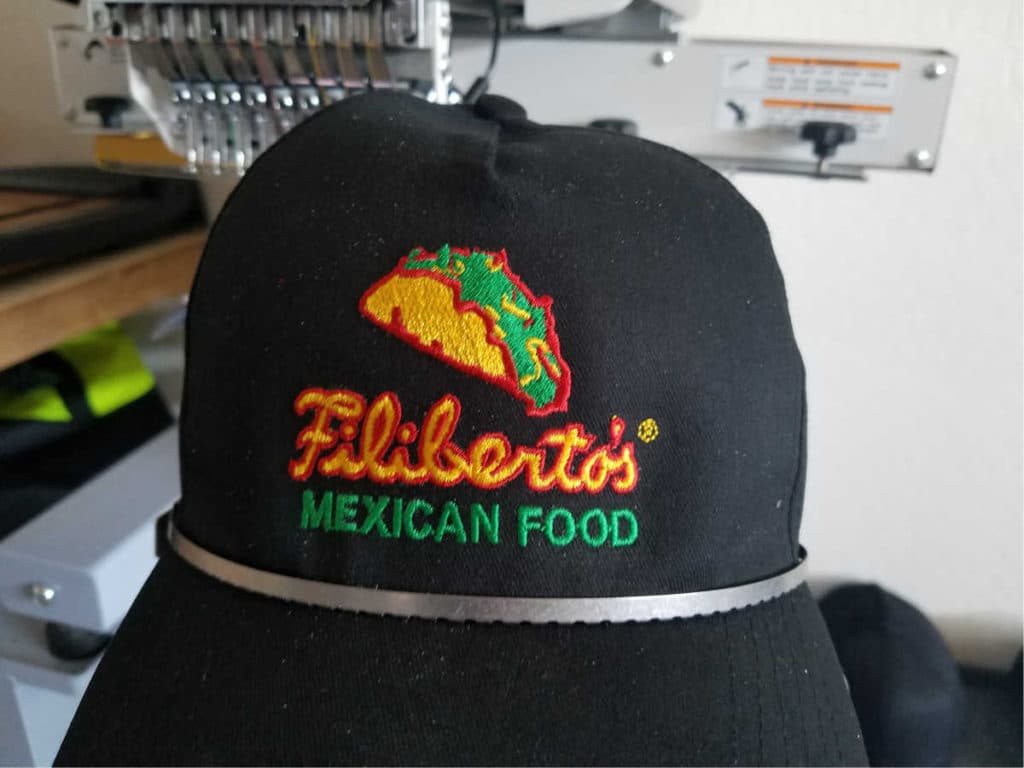
It can be used to embellish baseball caps, golf towels, polo shirts, backpacks, etc. The results of the embroidered logo are consistent from piece to piece and the item produced is a high-quality item with a perceived high value.
Embroidery is quality
An embroidered logo represents the highest quality decorating method available. When a logo is embroidered, the brand is also perceived as representing a high-quality company.
Embroidery is good for small orders
Embroidery is cost effective when done on single pieces, small orders, or even thousands of pieces — unlike printing, which often needs large quantities to be cost-effective.
Embroidery isn't limited
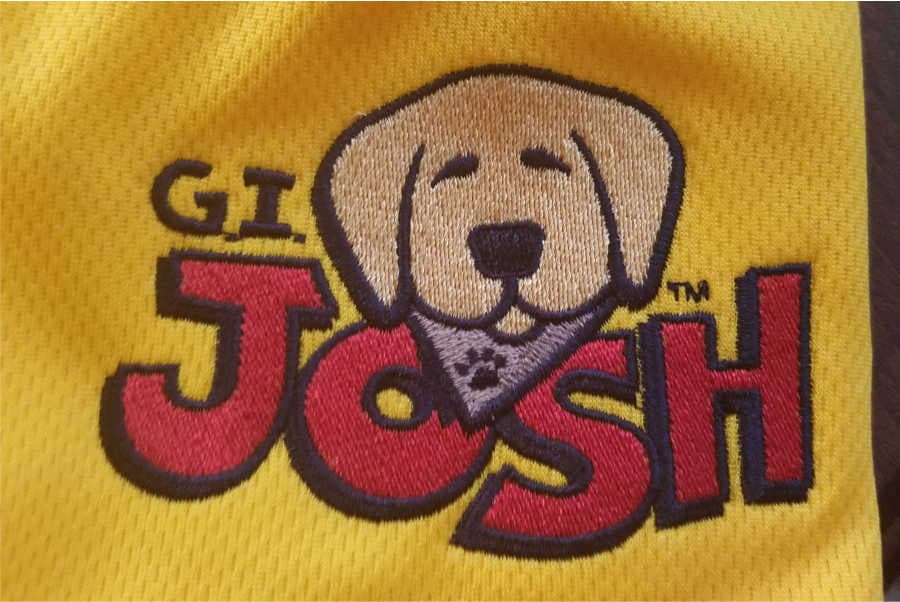
Embroidery thread can be applied to a multitude of fabrics, including textured ones like pique knits and polar fleece. The thread is soft, pliable, and comfortable when worn.
Embroidery is durable
Quality embroidery thread withstands heavy laundering without fading, even in wash water as hot as 203°F. Often, the garment wears out before the embroidery does.
Cost
While slightly more expensive than some methods, embroidery offers the best representation of quality for brands that value craftsmanship.
As you can see there are a number of reasons to choose embroidery for your logo decorated apparel. It is always important to consider your needs when making your decision. Considerations like the item being worn, the person(s) who is going to wear it and the conditions that it will be worn are very important as well.